A consistent identity for your team's workwear
A consistent look is built with colours, styles and marking. It does not depend only on the size of the logo.
1 min read
Contents
Choose a common base
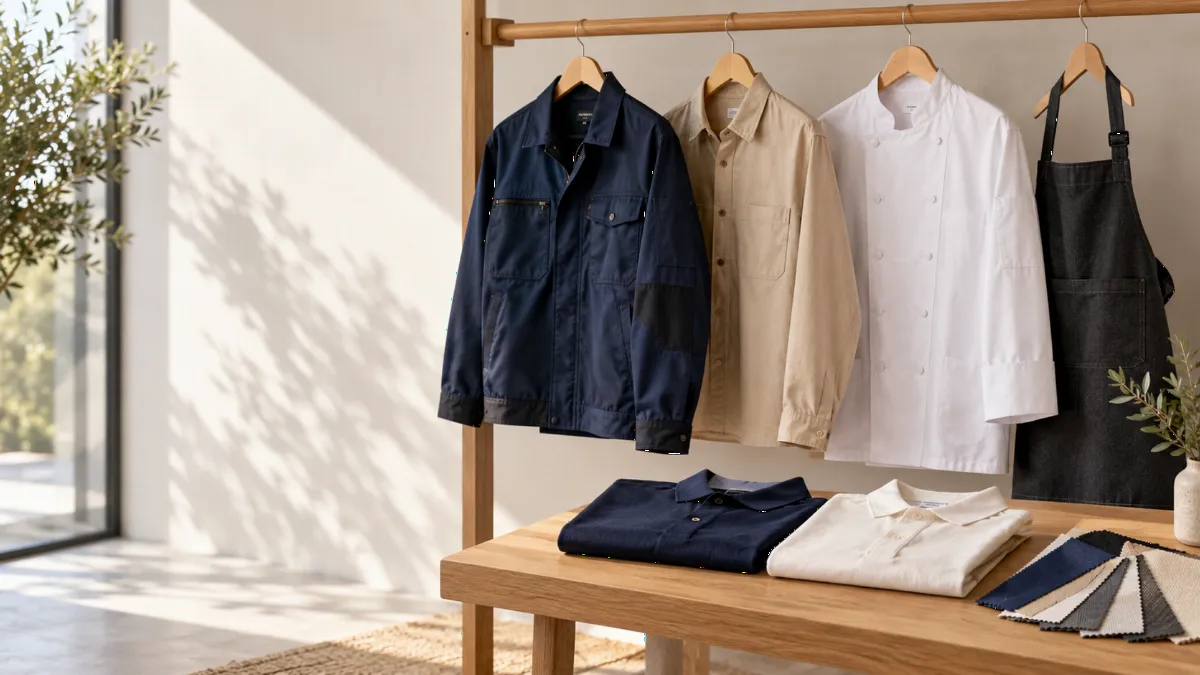
A colour or a family of styles can link different roles while keeping garments suited to each activity. A chef jacket and a reception polo do not need to be identical to share the same identity.
Define a marking hierarchy
The company name, the logo and any role identification serve different purposes. Choose the useful information, then study its position and legibility.
Adapt the design to the garment
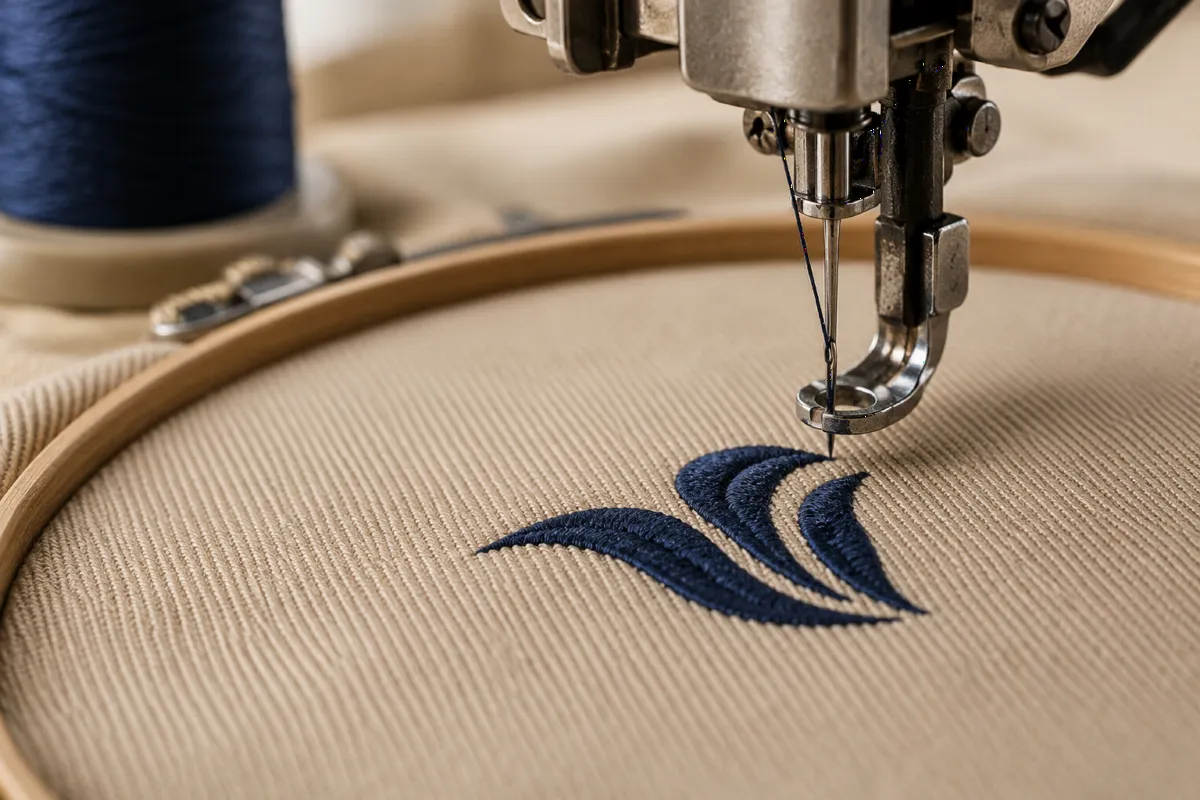
A texture, a seam or a pocket can affect the result. Choosing the marking means considering the actual garment. A preview helps discuss the project; it does not replace approving the characteristics.
Plan for reorders
Keep the references of your outfits and the approved elements: logo file, position and size. For a new need, this information lets you ask for continuity or identify the changes required.
Build your proposal
Send us your visual identity and the roles to equip. Vetiwork will study the styles and personalisation with you to prepare a consistent look.
An example across departments
Reception staff can wear polos, kitchen staff jackets and service staff aprons. A shared logo colour, consistent placement or common detail can link the outfits. This coordinates roles without imposing identical garments on different tasks.
Check contrast and size
A logo readable on paper may lose detail when reduced or embroidered. Examine contrast, line thickness and lettering size. Approve company name, personal name and role separately, including French and Arabic wording where both are used.
Keep a branding record
Retain the logo version, approved width, position, colours and garment references. Send that record with new quantities for repeat orders. It helps compare the updated proposal without assuming the original garment is permanently available.